Introduction
For most people, a custom home build is completely uncharted territory. You know what you want at the end. You have ideas, inspiration photos, and a budget. But what actually happens between that first phone call and the day you get your keys?
The process can feel overwhelming when you do not know what to expect. That uncertainty is exactly what makes so many homeowners anxious going into a build. So we are going to walk through the entire process, start to finish, in plain language.
No jargon. No glossing over the hard parts. Just an honest look at what building a custom home actually looks like when it is done right.
Phase 1: The Consultation
Every good build starts with a conversation. Before any plans are drawn or any money changes hands, you should sit down with your builder and talk through your vision in detail.
This is the phase where you share your ideas, your must-haves, your nice-to-haves, and your budget. A good builder will listen more than they talk. They will ask questions that help them understand not just the physical home you want, but how you live and what the home needs to do for your family.
At the end of the consultation, you should have a clear sense of whether this builder understands your vision, whether your budget is realistic, and whether you trust the person sitting across from you. If any of those three things feel off, keep looking.
Phase 2: Design and Planning
Once you have chosen your builder, the design phase begins. This typically involves working with an architect or designer to translate your vision into a set of construction drawings.
This phase takes time and should not be rushed. The decisions you make at the design stage are far cheaper to change on paper than they are to change once construction has started. Take the time to get the layout right, think through traffic flow, storage, natural light, and how the home will feel in different seasons.
Your builder should be actively involved in this phase, not just waiting for the drawings to arrive. An experienced builder will catch design elements that look great on paper but create challenges in the build, saving you both time and money before ground is ever broken.
Phase 3: Permits and Pre-Construction
Before any construction can begin, permits need to be pulled from the relevant county or municipal authority. This step takes time and varies depending on where you are building. In some areas it can take a few weeks. In others it can take several months.
Your builder should handle the permit process and keep you informed of the timeline. This is also the phase where site preparation begins: clearing the land, establishing access, and preparing for excavation.
Use this time to finalize your material selections. Countertops, flooring, fixtures, cabinets, windows. The more decisions you make before construction starts, the smoother the build will go. Delayed decisions are one of the most common causes of project delays.
Phase 4: Foundation and Framing
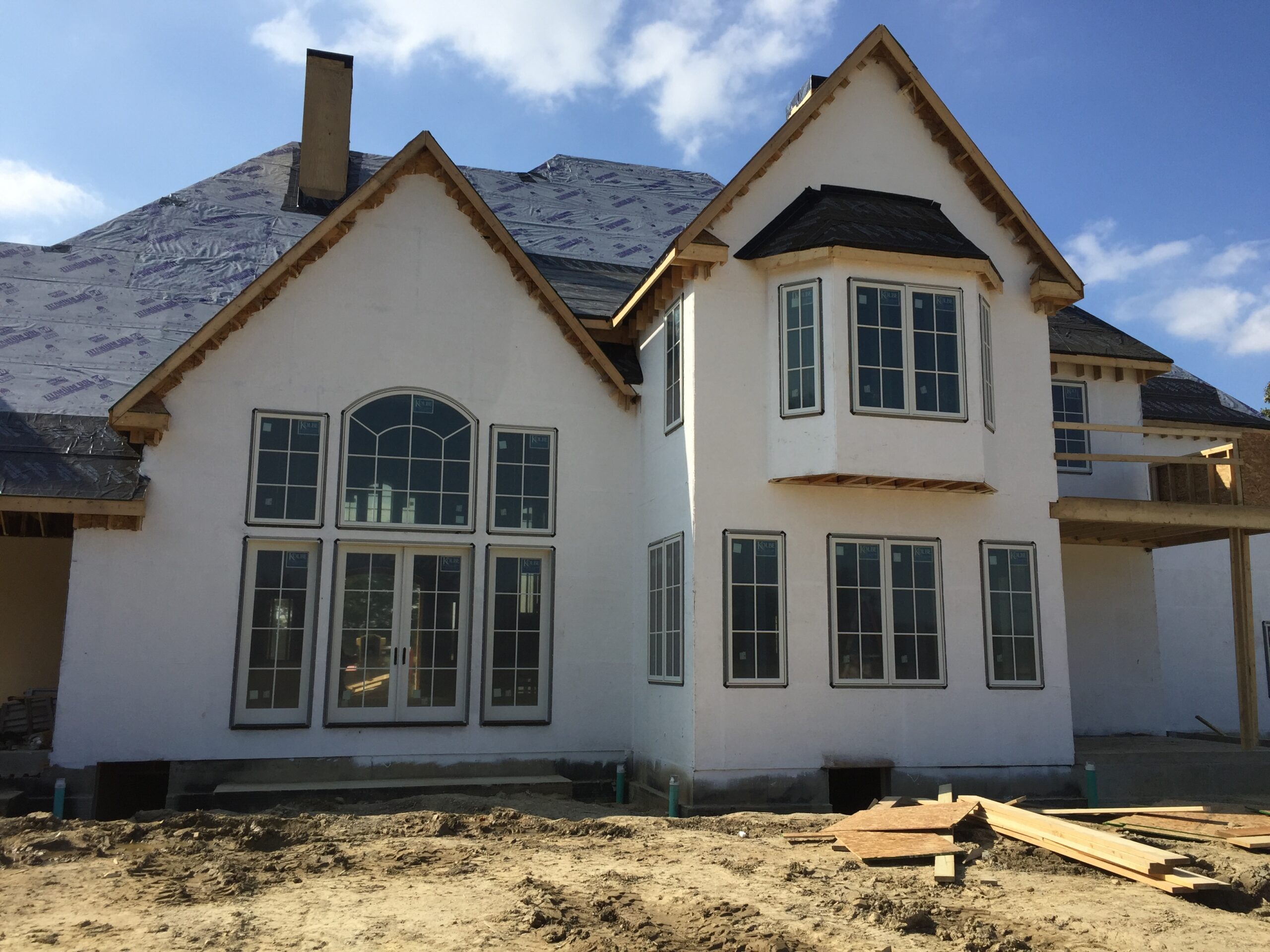
This is the phase where your home starts to become real. Excavation is completed, the foundation is poured, and within weeks you will be able to walk through the framed walls of your future home for the first time.
Framing goes surprisingly fast. A well-organized crew can frame a 2,500 square foot home in a matter of weeks. This is also the phase where you will really feel the scale of your home for the first time, and many clients are surprised by how different the space feels compared to the drawings.
Your builder should be on site regularly during this phase and communicating with you consistently about progress and what comes next.
Phase 5: Mechanicals, Insulation, and Drywall
Once the frame is up, the mechanical trades come in. Plumbers, electricians, and HVAC technicians rough in all the systems that will run through your walls before they are closed up.
This phase requires careful coordination. Trades need to work in sequence, inspections need to happen at specific milestones, and your builder needs to be managing the schedule tightly to keep things moving.
After mechanicals are inspected and approved, insulation goes in and drywall follows. This is the phase where your home begins to feel like rooms rather than an open frame.
Phase 6: Finishes and Interior Work
This is the phase most homeowners look forward to the most. Flooring goes down, cabinets get installed, countertops are set, tile is laid, and fixtures are hung. Your home starts to look like the inspiration photos you saved months ago.
It is also one of the more labor-intensive phases from a coordination standpoint. Multiple trades are often working simultaneously, and sequencing matters. Paint before trim. Trim before flooring. Flooring before appliances. A builder who manages this phase well keeps everything moving efficiently without creating rework.
Stay engaged during this phase. Walk the site regularly, ask questions, and flag anything that does not match your expectations while it can still be addressed easily.
Phase 7: Final Inspections and Walkthrough
Before you receive your certificate of occupancy, the home will go through a series of final inspections by county or municipal inspectors. Your builder should be managing this process and ensuring everything meets code.
Once inspections are complete, you and your builder will do a final walkthrough together. This is your opportunity to identify anything that needs to be addressed before you take possession. A good builder welcomes this conversation and takes a punch list seriously.
At Wineco, the final walkthrough is not a formality. It is a commitment that the home meets the standard we promised at the very beginning of the process.
Move-In Day
Keys in hand. This is what all of it was for.
A well-managed custom home build is an exciting experience, not a stressful one. It requires the right builder, clear communication, and a process that keeps you informed and in control from start to finish.
That is exactly what Wineco Construction was built to deliver.
Ready to start the process? Schedule a free consultation with Josh and take the first step toward your custom home in Canton, Akron, or anywhere across our five-county service area.